ABC KAMISHIBAI
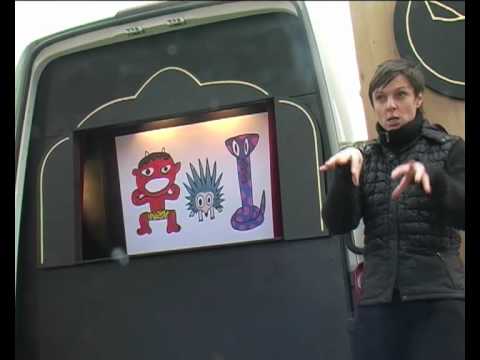
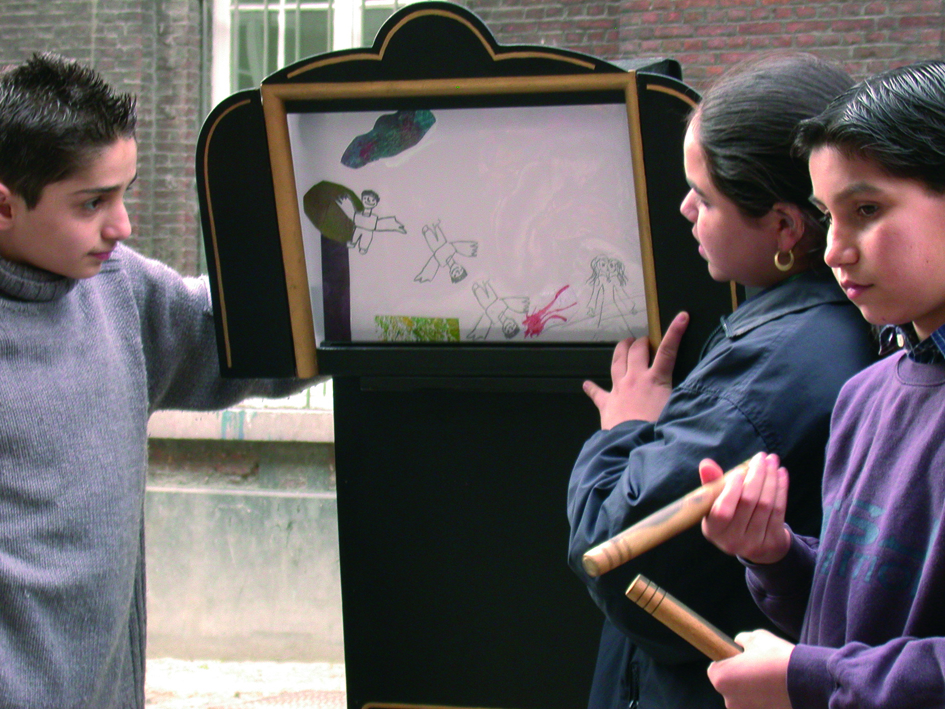
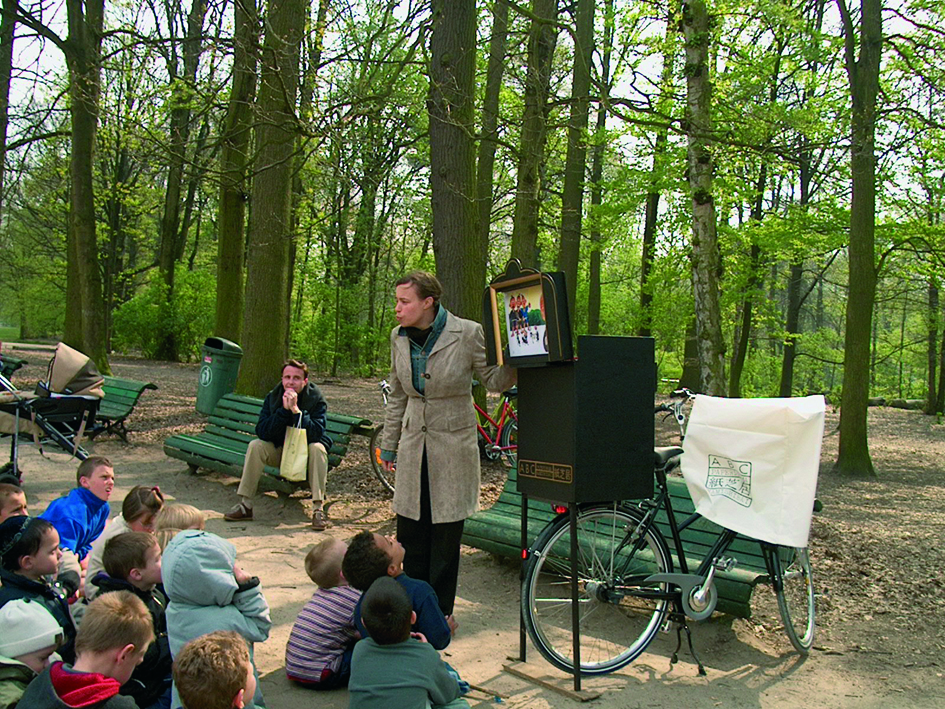
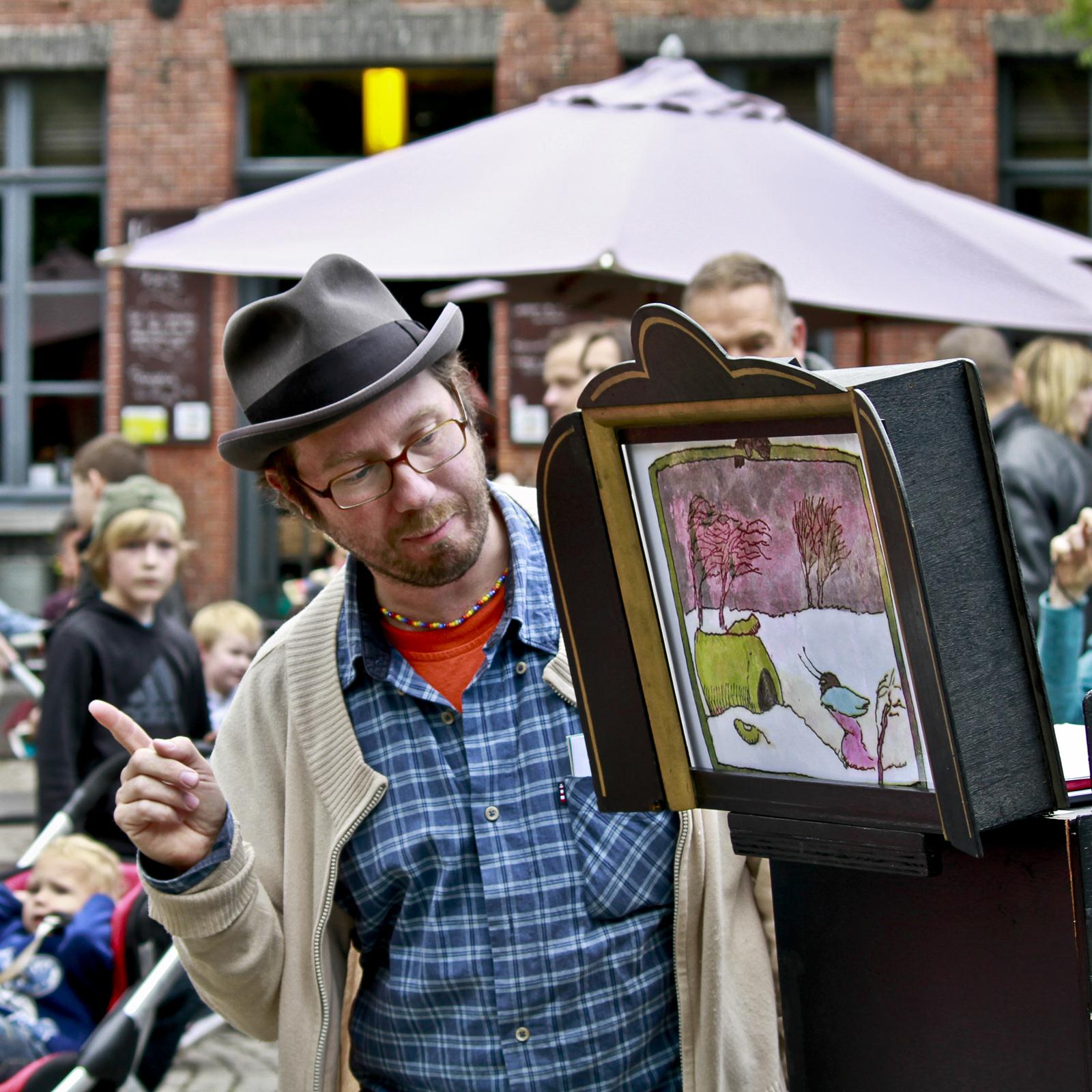
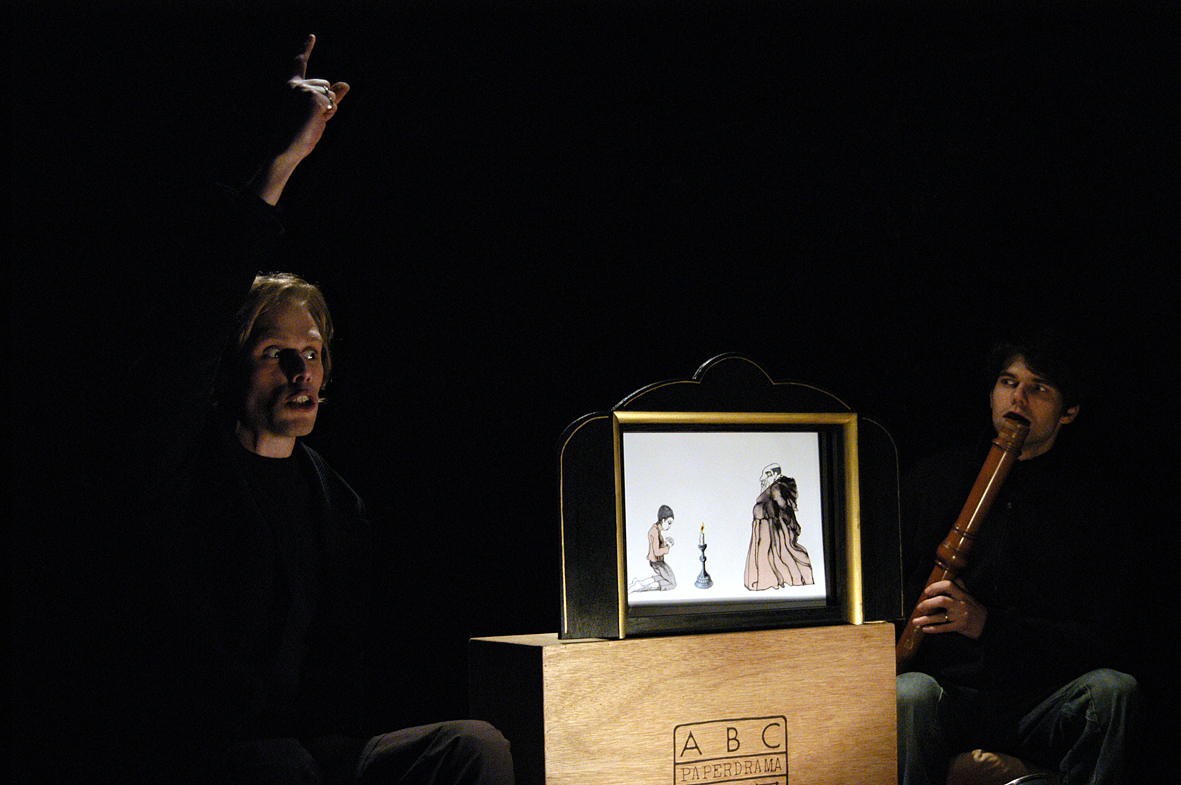
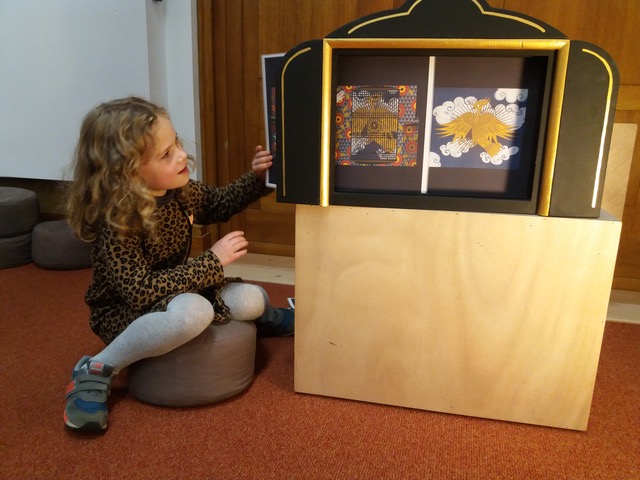
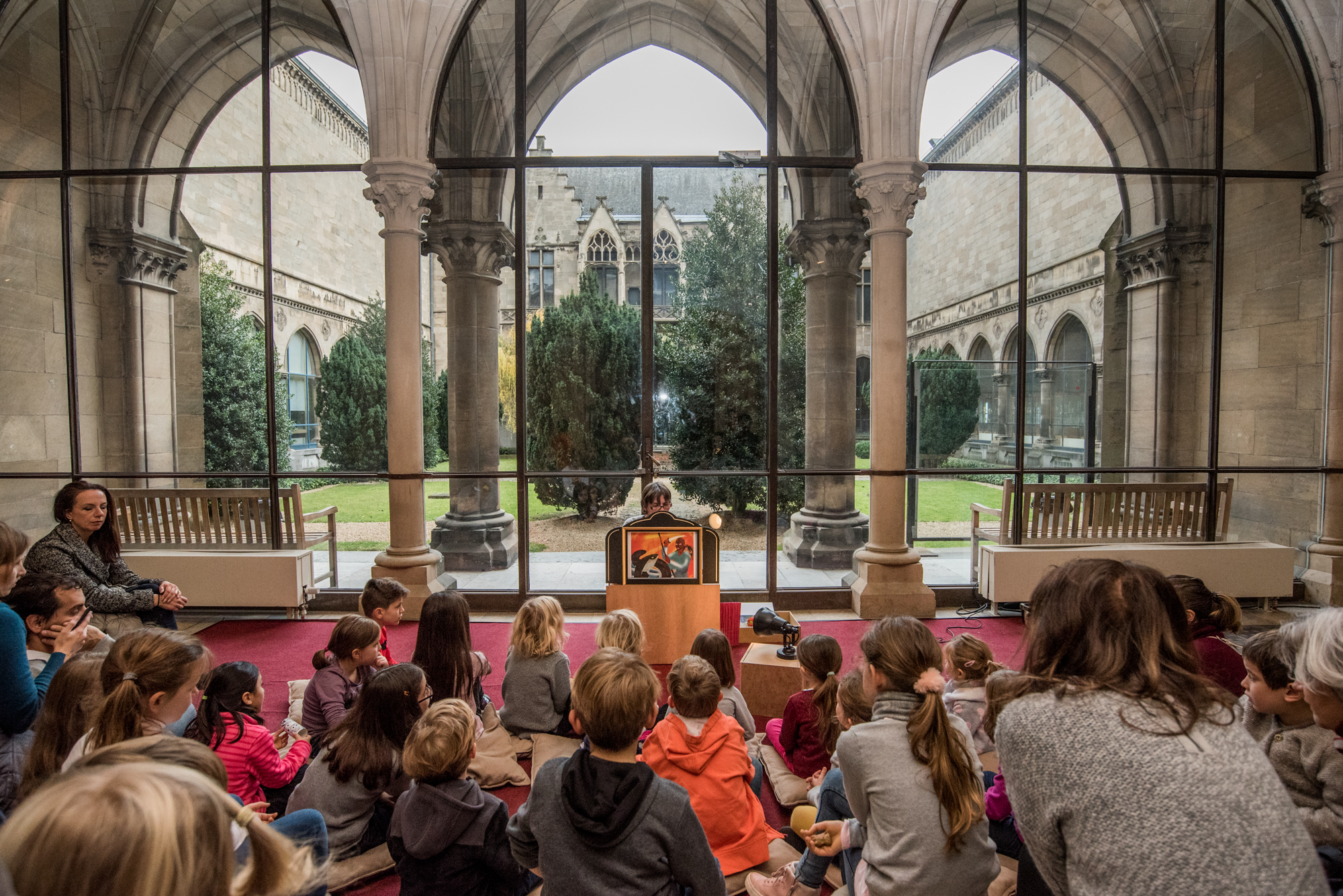
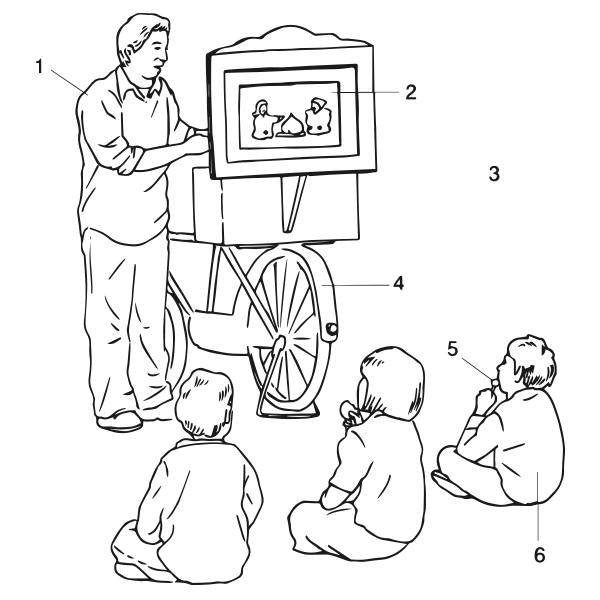
De Kamishibai is een verteltheaterkastje waarin grote prenten (A3) kunnen worden geschoven. Op de achterzijde van die prenten staat een verhaal dat de kamishibai-verteller voorleest of vertelt. Bij elke nieuwe episode verschuift de verteller een prent uit het kastje, en vertelt hij/zij verder: beeld en taal gaan perfect samen. Een kamishibai-vertelling heeft iets weg van een vertraagde animatiefilm. De kamishibai is een Japanse traditie (kami = papier, shibai = drama, papieren drama dus).
Dertig jaar lang, van 1920 tot 1950. maakte deze verteltechniek furore in Japan, en het was de voorloper van de populaire mangacultuur. Sinds enkele jaren kent dit unieke verteltheater een wereldwijde comeback.
“Het gevoel om samen in een verhaal te duiken, het te delen, het tot leven te brengen met de stem- dat heb ik altijd zeer magisch gevonden. In de Middeleeuwen was het obsceen om niet luidop te lezen. Tot de 12de eeuw maakte je jezelf verdacht als je niet fluisterde of de woorden vormde met je mond tijdens het lezen. Lezen enkel voor jezelf, gescheiden van de anderen, dat kwam pas later.”
Cornelia Funke, auteur
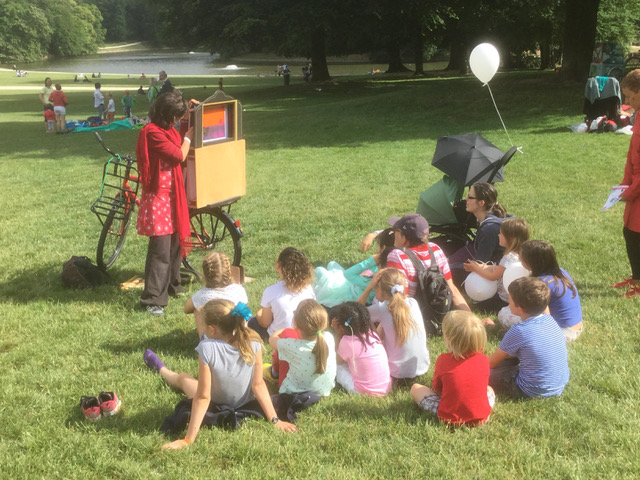
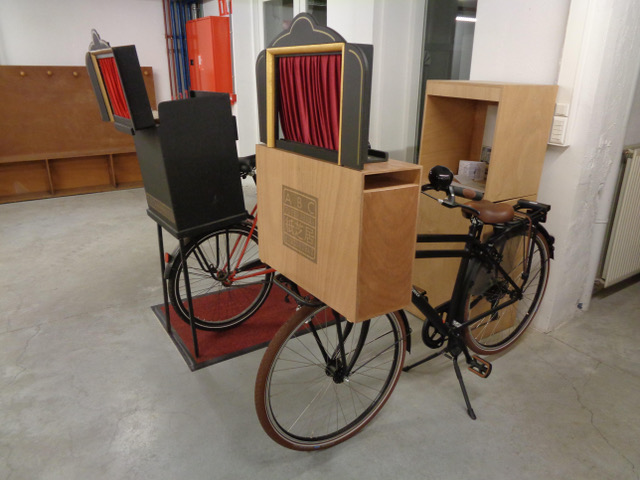
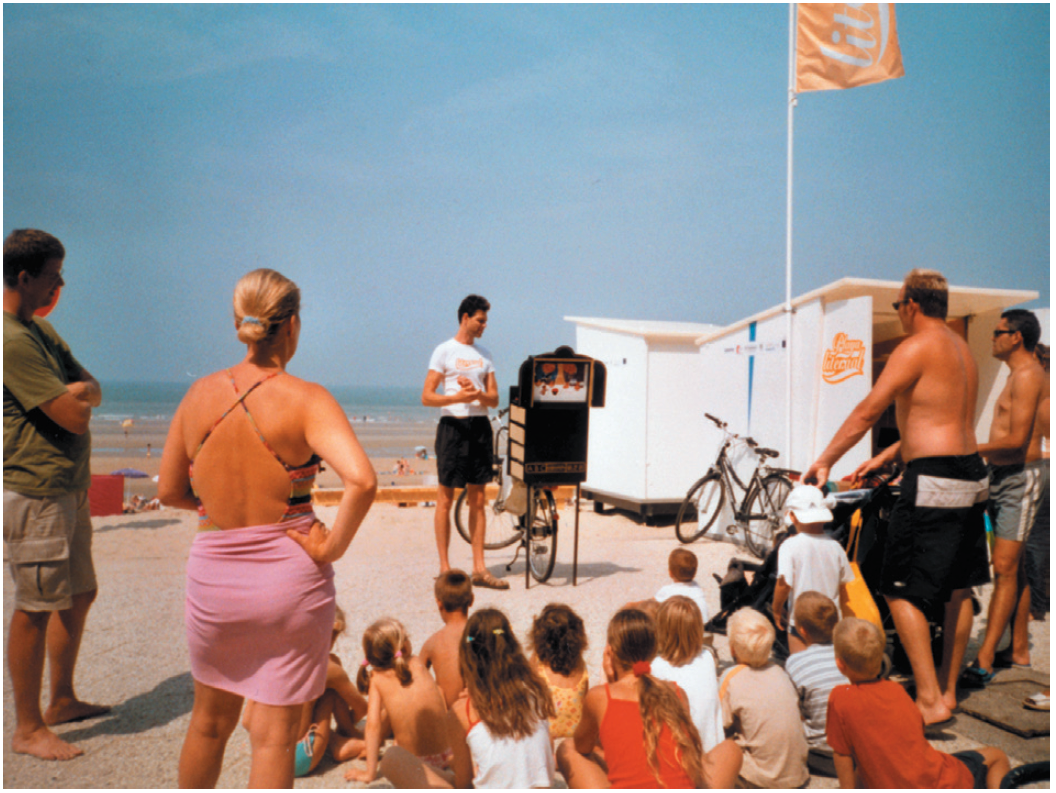
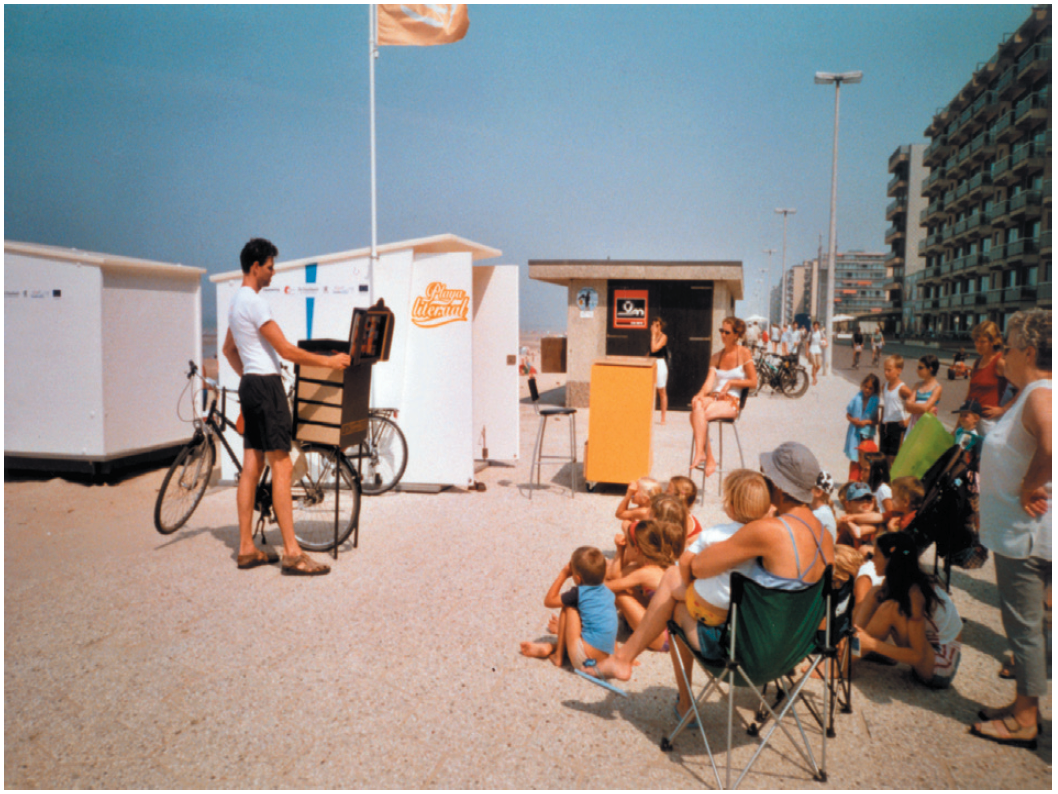
Kamishibai is onderdeel van een eeuwenoude visuele verteltraditie die tijdens de 12de eeuw ontstond in Boeddhistische tempels in Japan. Monniken gebruikten er beeldrollen om moraliserende verhalen door te geven aan een overwegend ongeletterd publiek. De kamishibai-verteltechniek bleef eeuwenlang bestaan en kende een ongezien success tussen de twee wereldoorlogen. Kamishibai-vertellers reden toen rond met een fiets waar achterop het kleine houten theatertje was gemonteerd. Ze installeerden zich op een straathoek of in een park, en verkochten snoep aan het verzamelde publiek. Kinderen die iets kochten, kregen de beste plaatsen om het verhaal zo goed mogelijk te volgen. Indertijd genoten wel meer dan 5 miljoen kinderen en volwassenen bijna dagelijks van de kamishibai. Met de opkomst van de televisie verdwenen de mobiele vertellers langzaam uit het straatbeeld. Om nu weer af en toe op te duiken…
KAMISHIBAI VERTELLINGEN

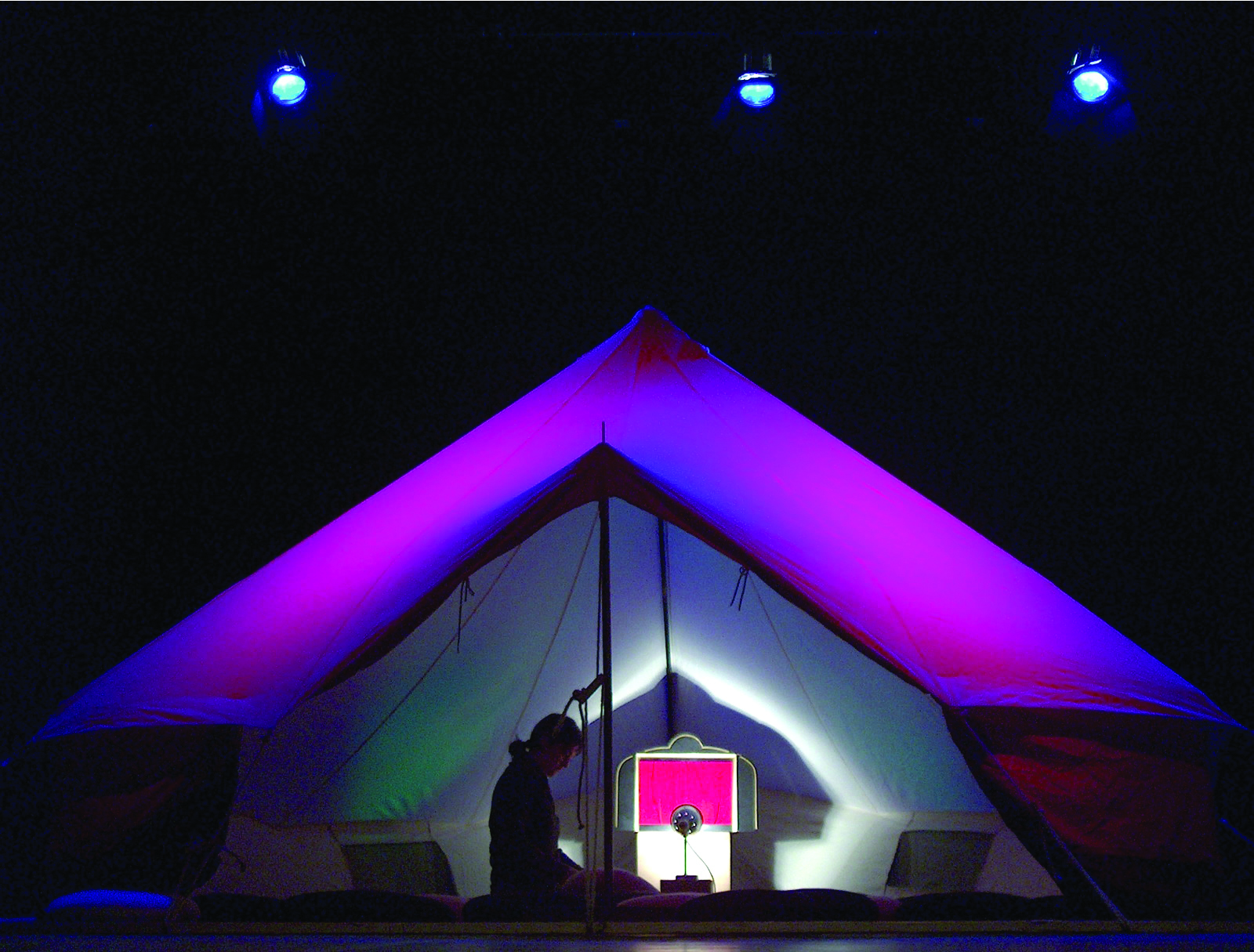
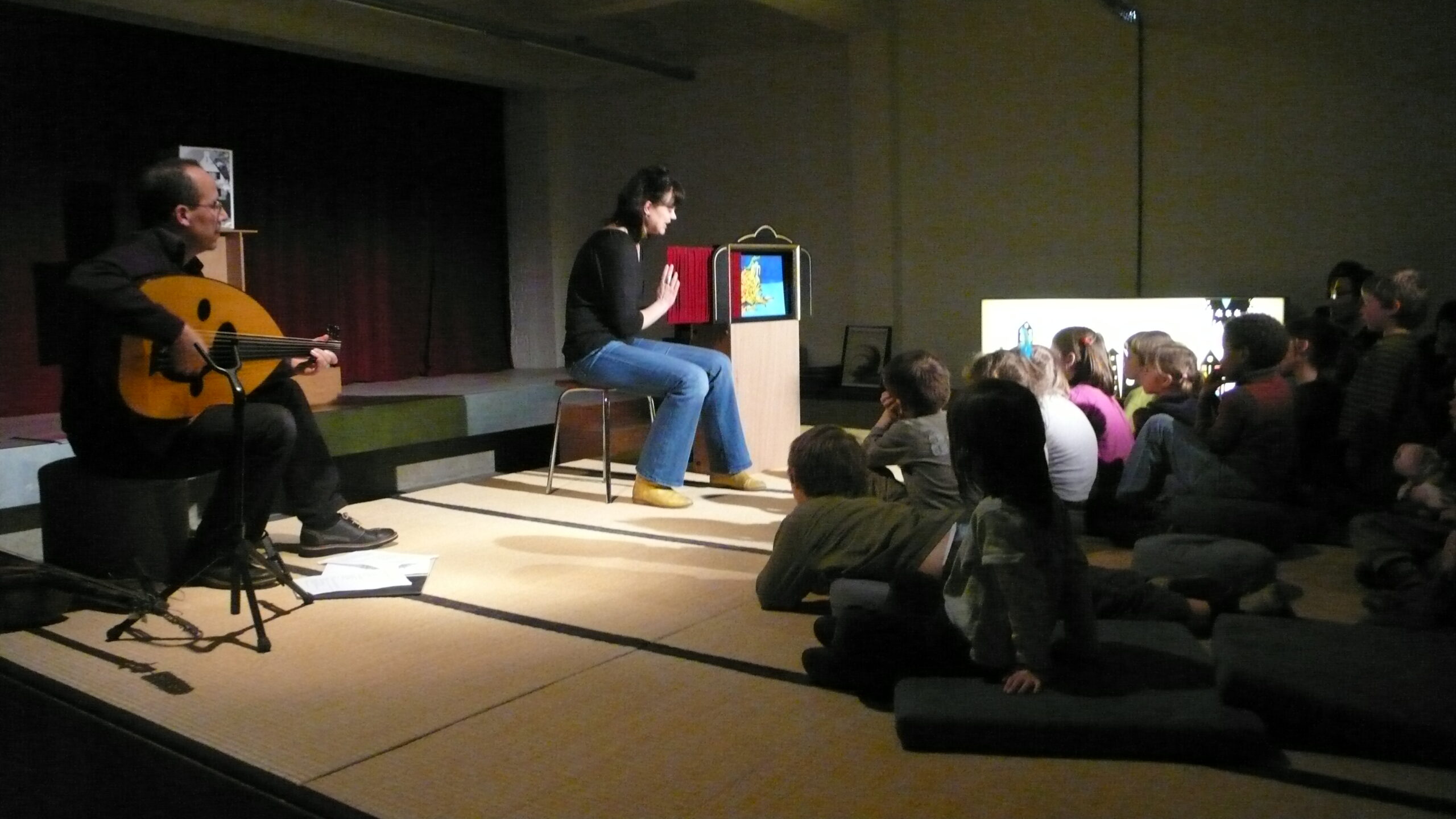
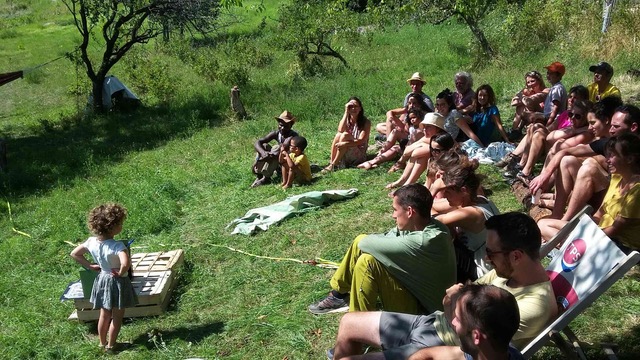
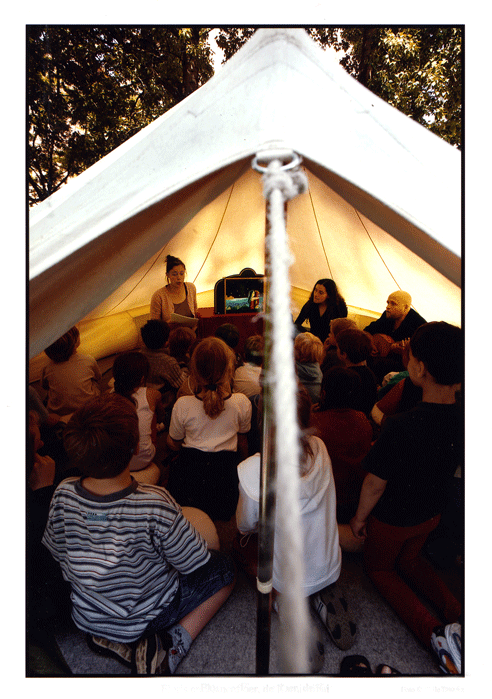
ABC organiseert op aanvraag kamishibai-vertellingen. Cultuurcentra, scholen, bibliotheken of festivals kunnen een beroep doen op een verteller met kamishibai-fiets, een kamishibai-hoekje en/of een nomadentent.
PRAKTISCH
350 euro (excl. 6% btw) voor max 4 vertellingen van telkens 30 min.
Meer info: kamishibai@abc-web.be of t 02 502 00 27.
tentdewerf

Kam-A1-02
unnamed
KAMISHIBAI-04
KAMISHIBAI-03
2011-kamishibai supervlieg
P1040674
kam01
20191027_153625
unnamed-1

KAMISHIBAI VERHALEN
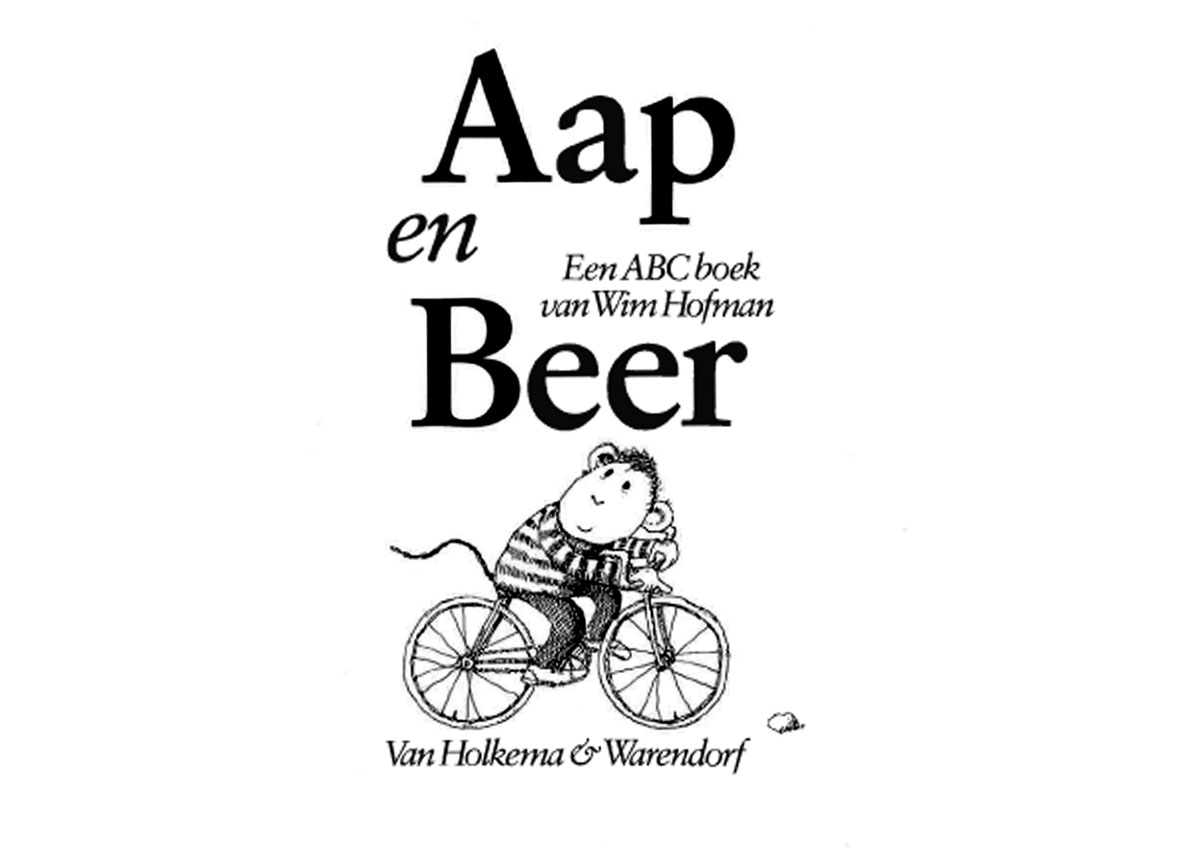
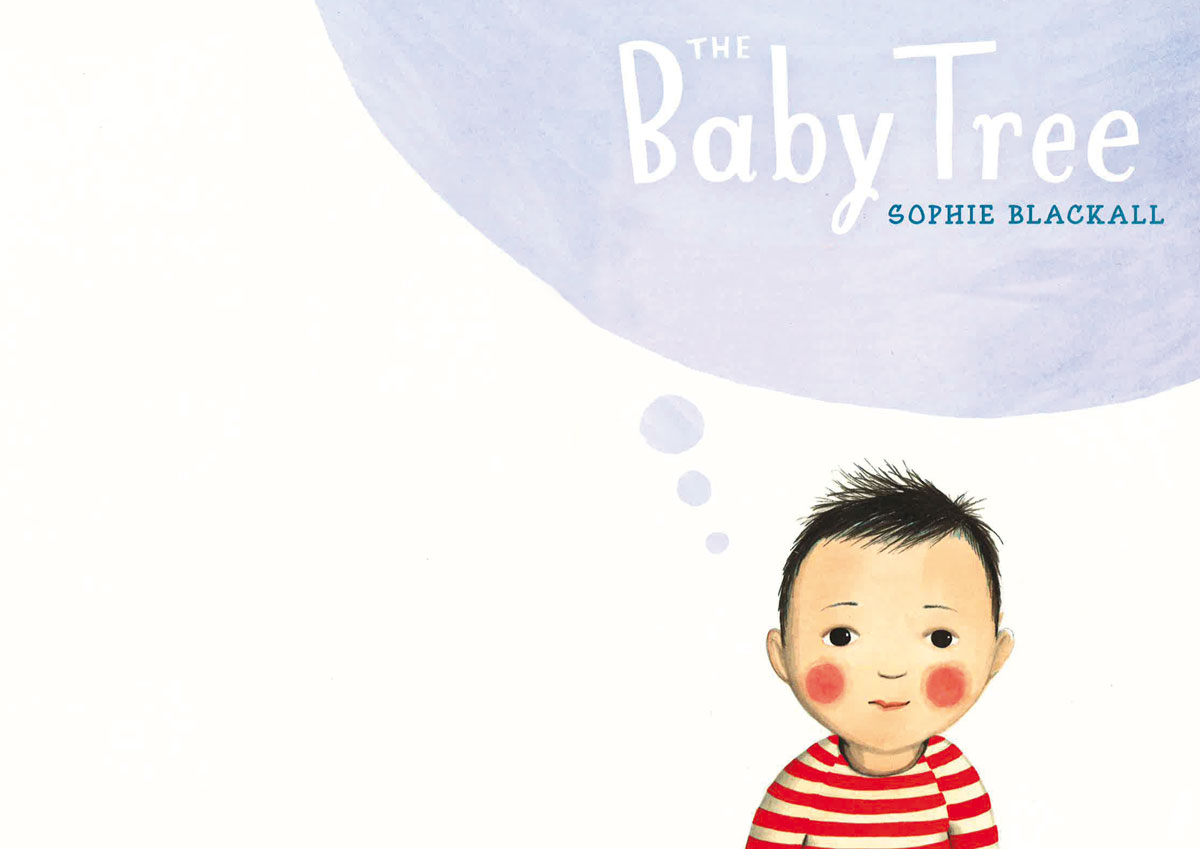
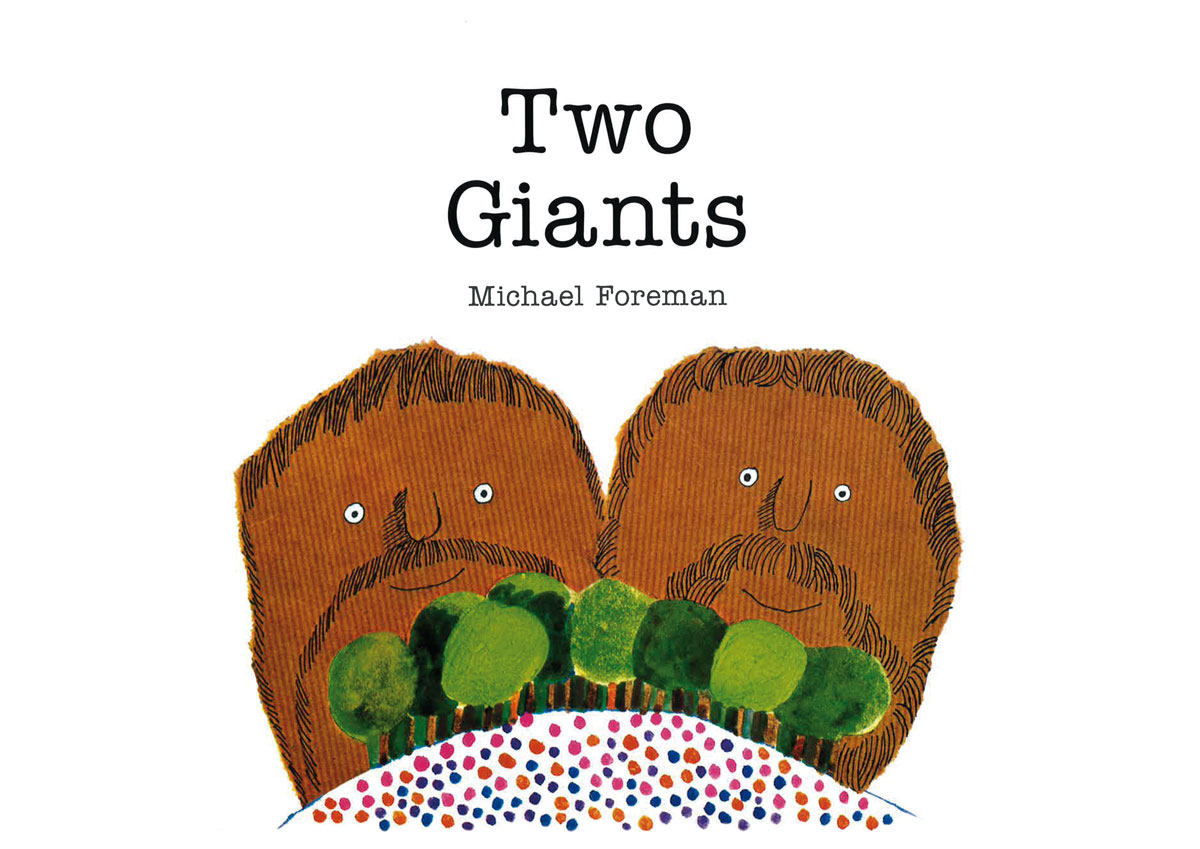
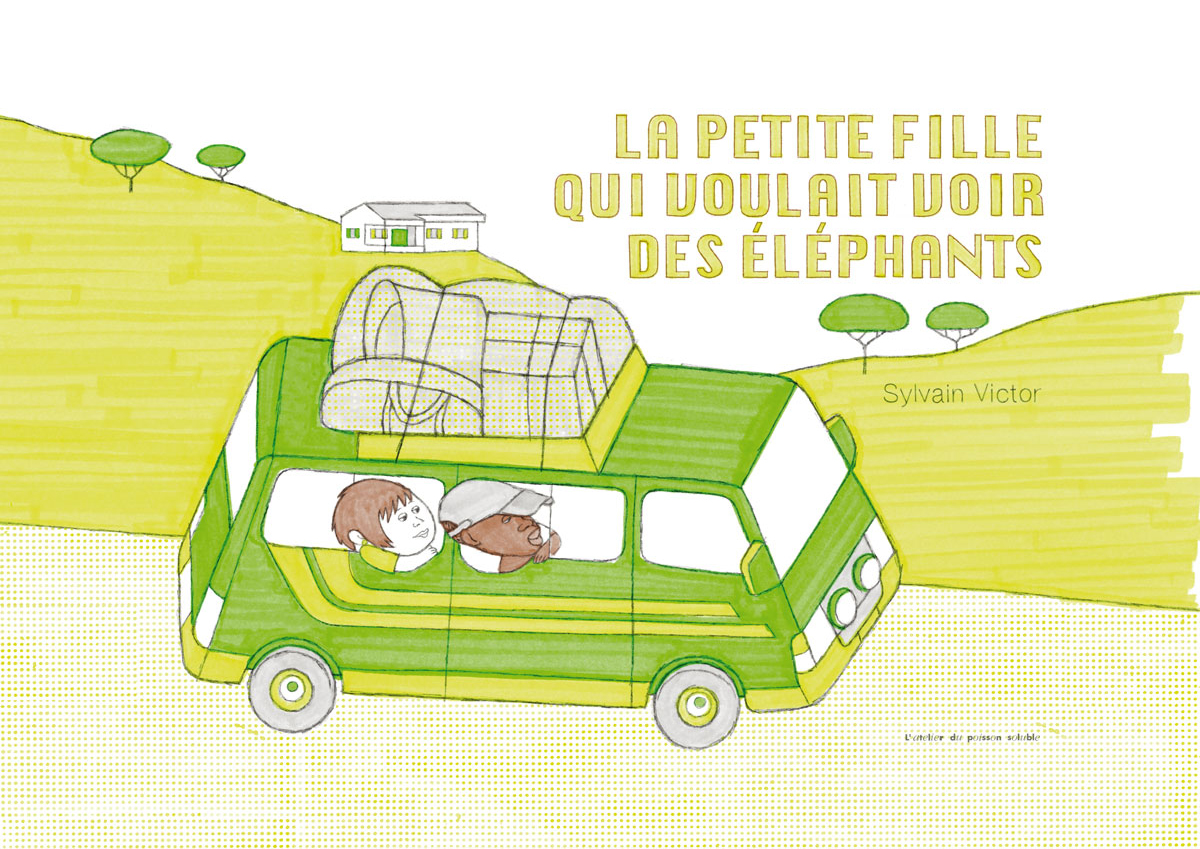
Verhalencollectie
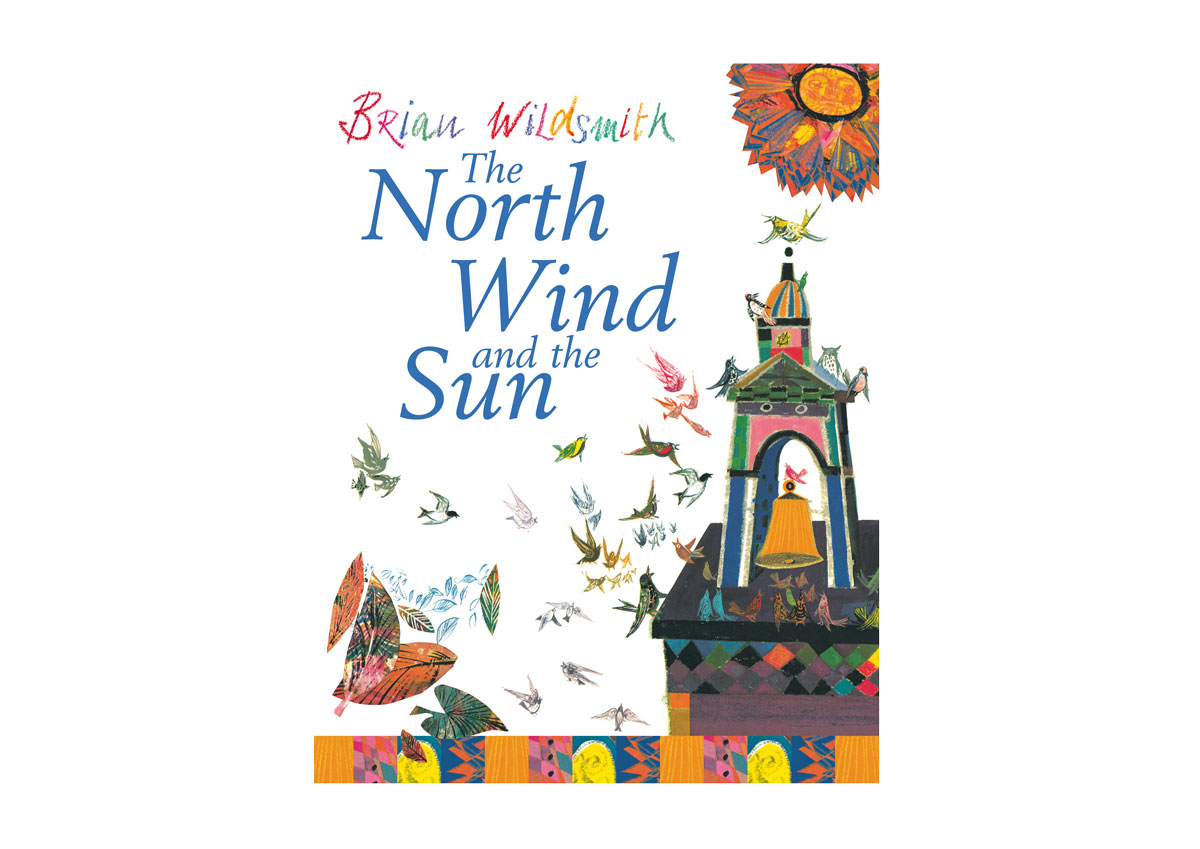
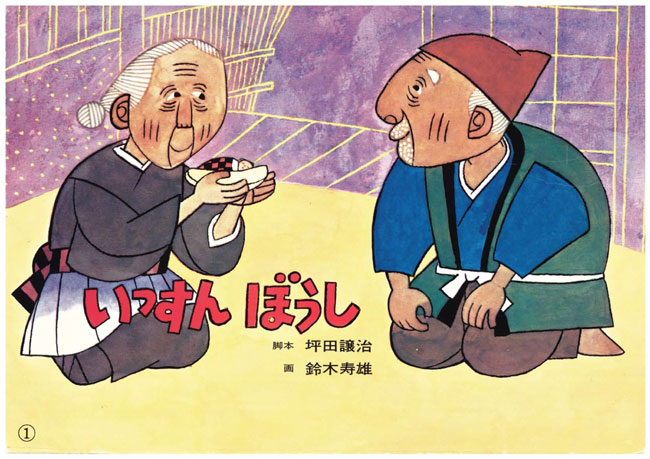
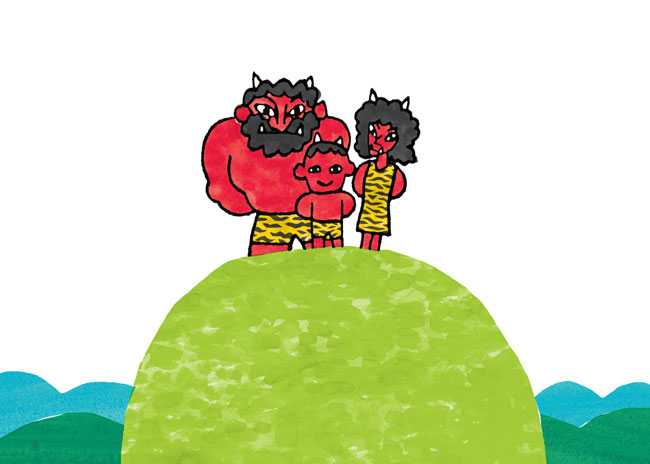
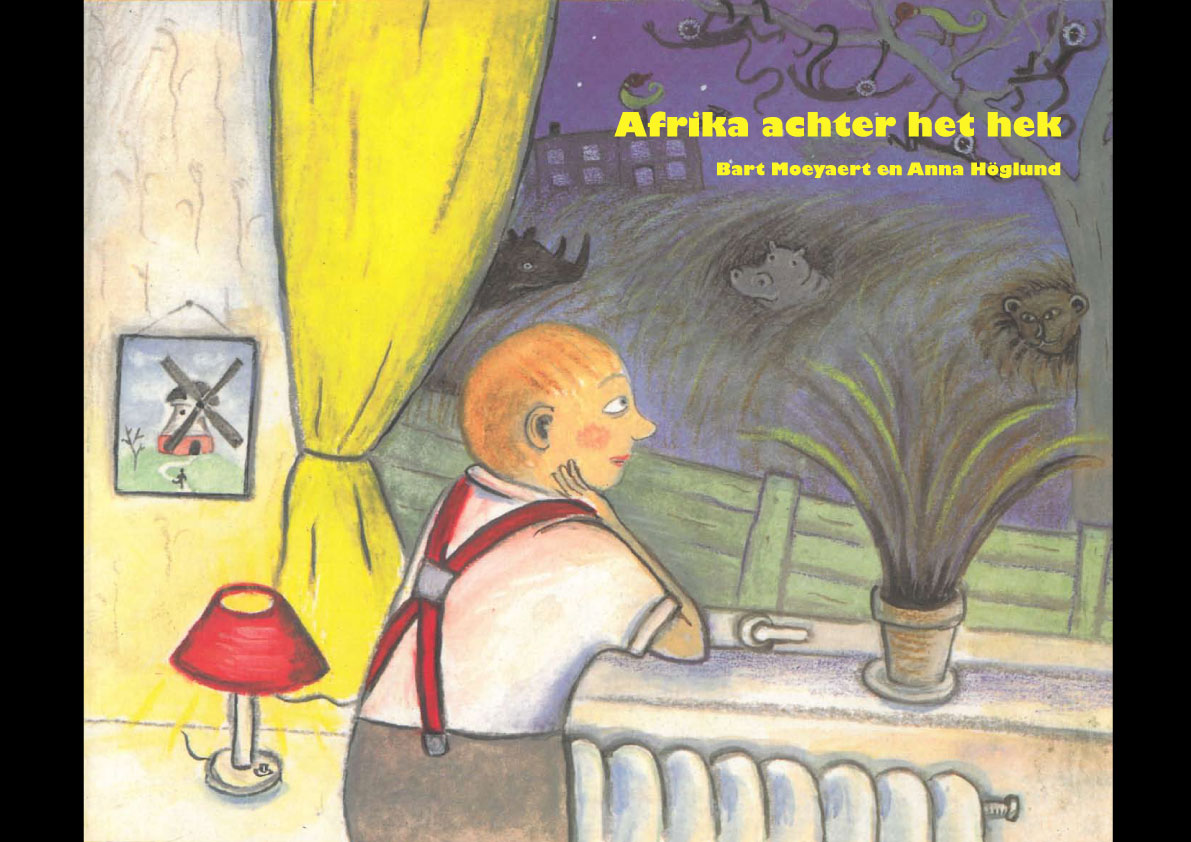
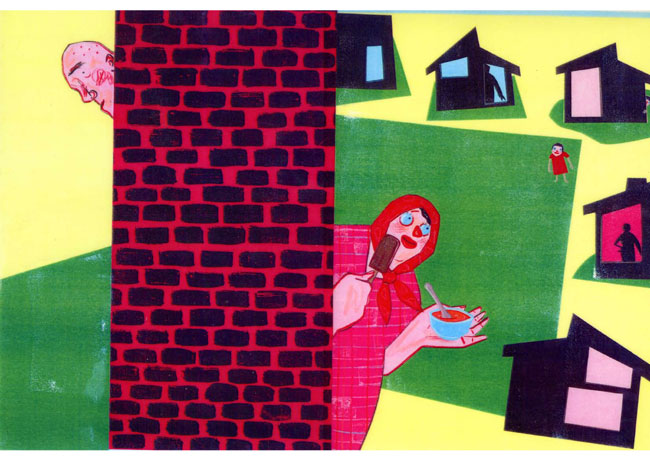
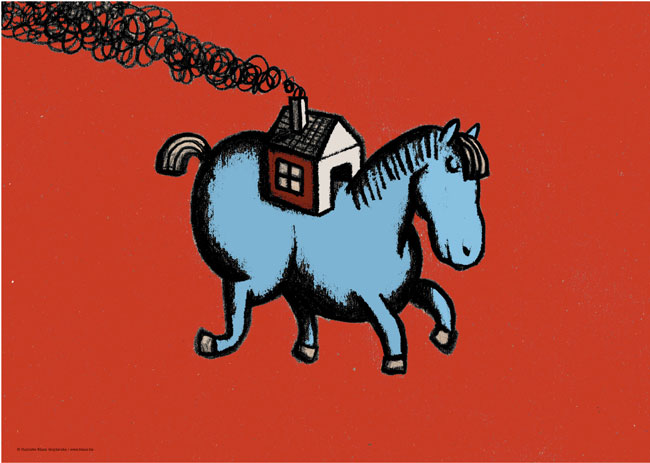
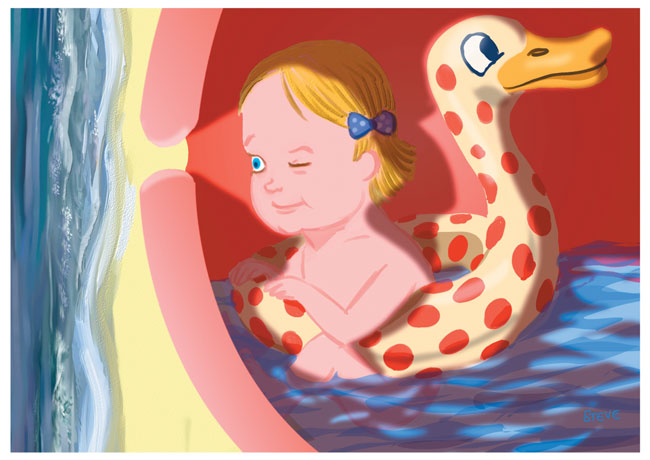
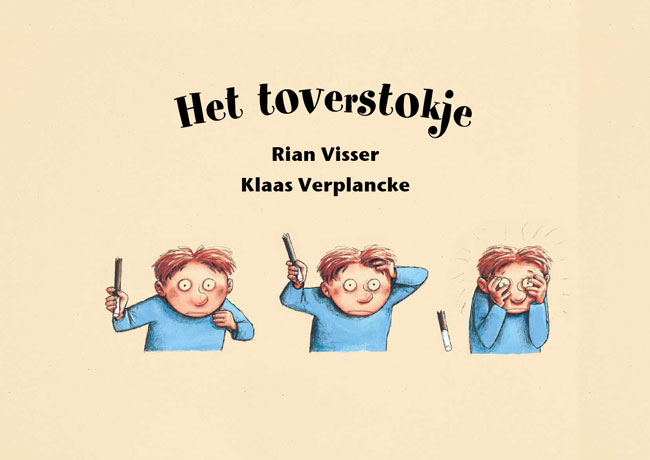
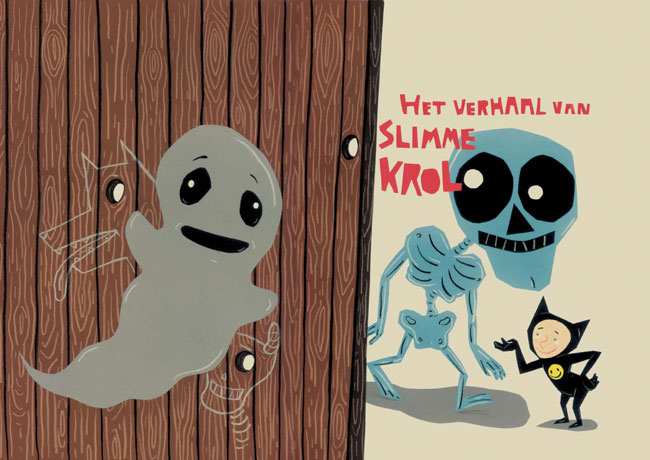
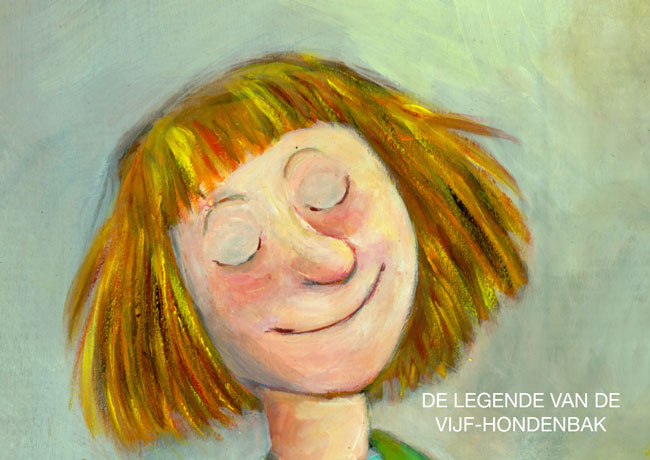
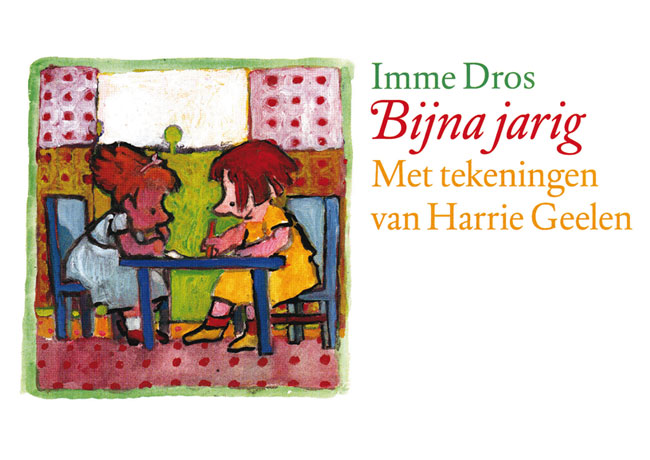
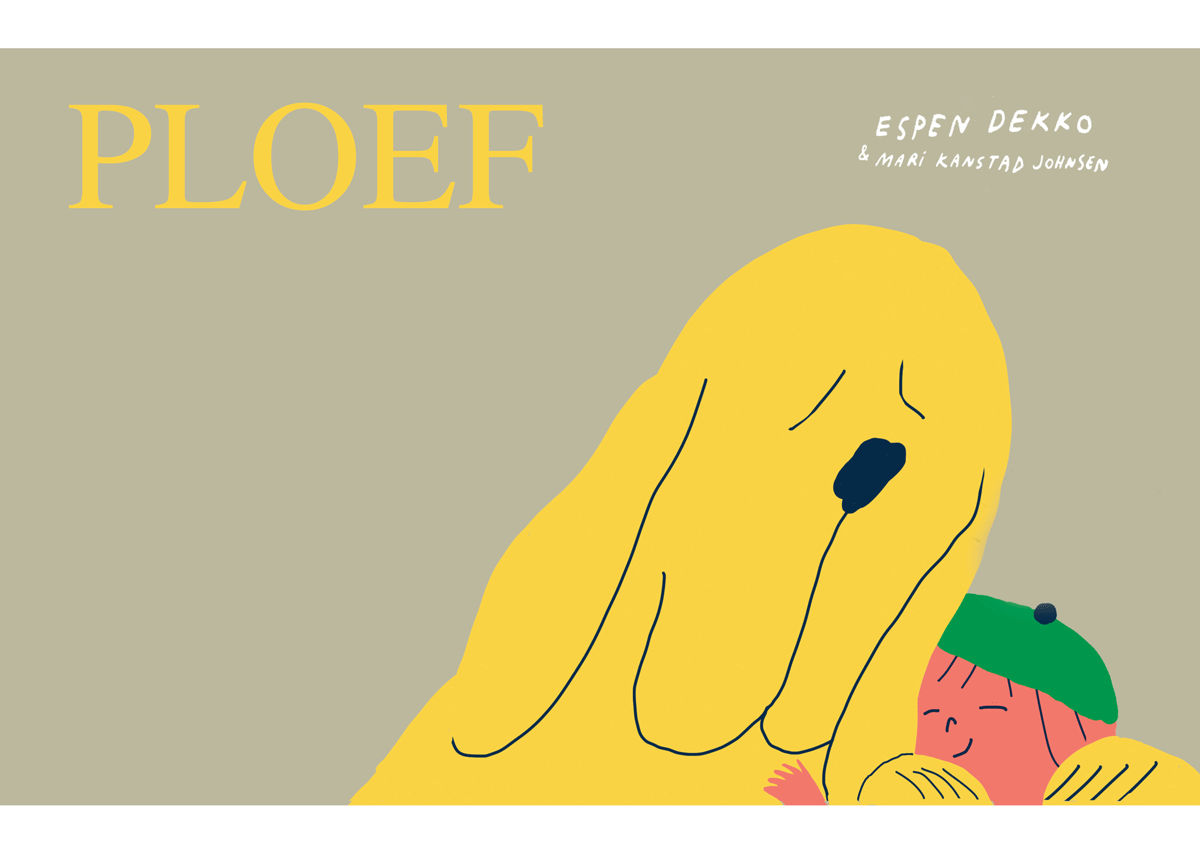
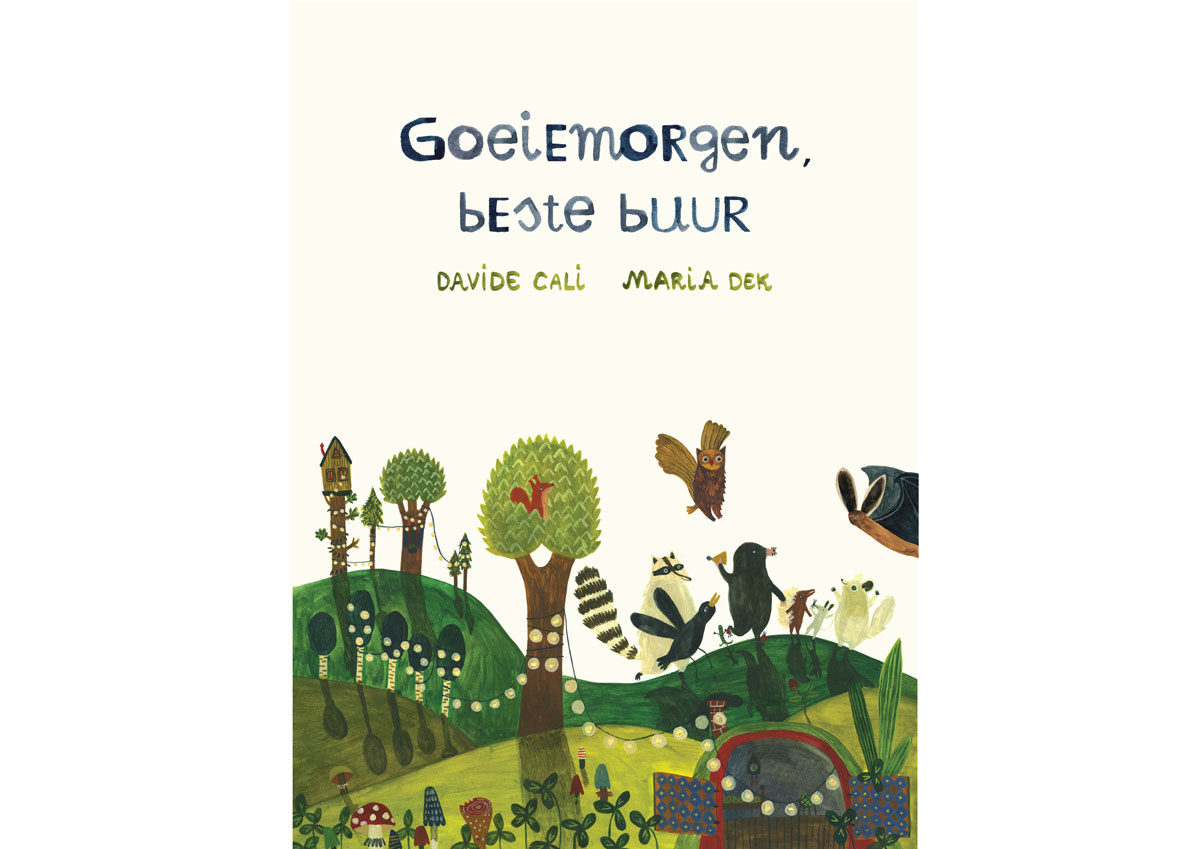
ABC heeft inmiddels een zeer ruime verzameling aangelegd van verschillende kamishibai-verhalen. In totaal gaat het op dit moment om meer dan 200 vertellingen, maar de collectie groeit gedurig aan. We transformeren bestaande prentenboeken of geven opdrachten aan tekenaars en auteurs. Een greep uit het aanbod: Japanse ‘traditionals’, verhalen van hedendaagse auteurs/illustratoren zoals o.a. Gerda Dendooven, Bart Moeyaert, Jon Klassen, bewerkingen van tijdloze prentenboeken, verhalen van Turkse en Marokkaanse origine… Een kamishibai-verhaal bestaat doorgaans uit zo’n 12 tot 20 A3 –prenten. Praktisch: Je kan de collectie op afspraak consulteren in het ABC-huis. Alle verhalen kunnen gratis worden uitgeleend.
Verhalencollectie voor het kamishibai-pakket
Hiernaast zie je de verzameling van verhalen die ABC afzonderlijk of met het kamishibai-pakket kan leveren. De prenten hebben het formaat A3 en zijn aangemaakt om te gebruiken in het kamishibai-theater van ABC. Dit heeft een opening aan de linkerkant (vanuit het oogpunt van het publiek) voor het in- en uitschuiven van de prenten.
KAMISHIBAI PAKKET
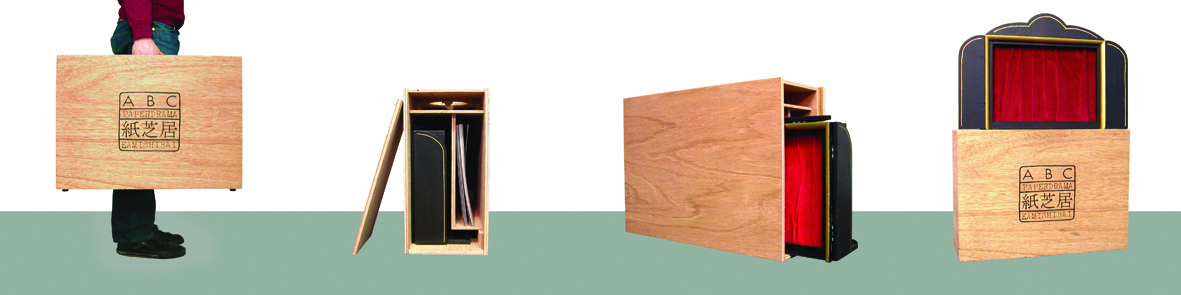
Zin om zelf met kamishibai aan de slag te gaan in de klas, de bibliotheek, de naschoolse opvang…? ABC stelde een kamishibai-pakket samen dat bestaat uit -een houten koffer met daarin een theatertje -twee verhalen (op maat gemaakt) -een cahier vol ideeën/tips voor taalstimulering & vertelplezier. De houten koffer kan meteen dienen als verhoog om het theatertje op te plaatsen en zo goed zichtbaar te vertellen. De verhalen kunt u kiezen uit een aanbod van zestien verschillende vertellingen (zie verder).
Het kamishibai-cahier is een bundeling van creatieve taalactiviteiten: allerlei suggesties om met de kamishibai te werken rond leesbevordering en taalplezier, maar ook rond cultuurgeschiedenis, wereldoriëntatie, plastische opvoeding, dramatiseren enz …
Plaats je bestellingDoe-het-zelvers vinden hier plannen en handleidingen om op eenvoudige wijze zelf een Kamishibai-pakket te bricoleren.
Succes!
DIY KamishibaiKAMISHIBAI WORKSHOPS
Kamishibai
We organiseren kamishibai-workshops voor leerkrachten, bibliothecarissen en andere geïnteresseerden waarin we allerlei tips geven hoe je met deze vertelvorm aan de slag kan. Kamishibai is een mooi instrument om met kinderen aan taalstimulering en creative storytelling te doen. Elementen die aan bod komen: de aankleding van een kamishibai-hoek, hoe kamishibai integreren in verschillende lessen, ideeën om prentenboeken om te vormen tot kamishibai, zelf een kamishibai in mekaar boksen met kinderen…
Op vraag kunnen ABC-medewerkers ook zelf workshops geven in scholen/jeugdateliers/bibliotheken enz voor kinderen vanaf 6 jaar.
Kamishibai en creative storytelling
Tijdens deze workshop gaan we kort in op kamishibai. Vervolgens ontdek je 1001 mogelijkheden en attributen om verhalen te vertellen: tangram, houten diertjes, dia’s, touw, licht, origami, collages, Lubok, handdansen, speelgoedfiguren, dobbelstenen, zakdoeken, vingerpopjes…..
De workshops duren 3 uur – per workshop kunnen max. 20 mensen deelnemen.
Prijs: 250 euro (excl. 21% btw) per workshop – geen specifieke vereisten, een lokaal met tafels en stoelen volstaat.
Wij organiseren ook workshops in het ABC-huis waarvoor je individueel kan inschrijven.
KAMISHIBAI STEAM STORYTELLING COLLECTIE
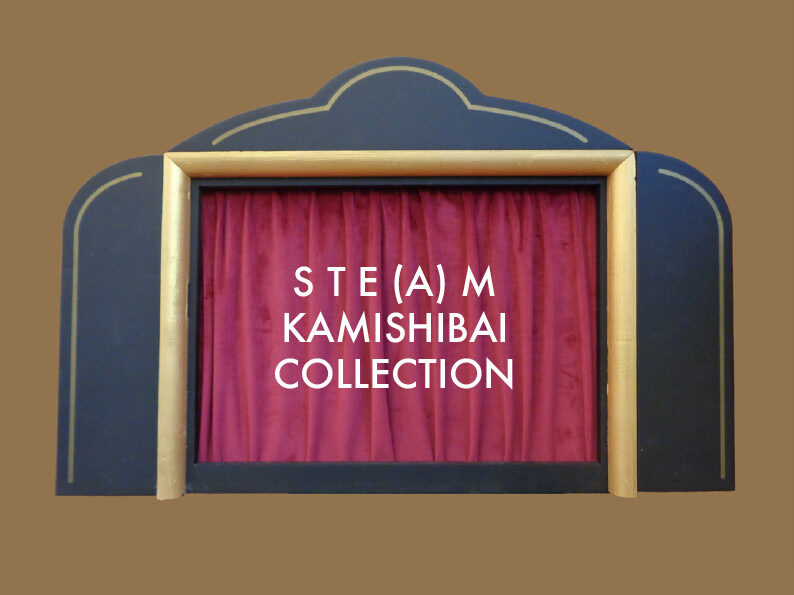
Een collectie van 25 verschillende geïllustreerde biografische verhalen die bij ABC kunnen worden uitgeleend – met begeleidende materialen naar persoonlijke keuze. De thema’s omvatten een waaier aan wetenschappelijke disciplines als wiskunde, technologie, natuurstudie, microbiologie, fysica, scheikunde en architectuur. Met verhalen, soms in verschillende versies, van Galileo Galilei, Isaac Newton, Ibn Sina, Charles Darwin, Marie Curie, Thomas Edison, Ada Byron Lovelace, Mary Anning, Maria Sibylla Merian, de gebroeders Wright, Albert Einstein, Wilson Bentley, Fibonacci, Filippo Brunelleschi, Antoni Gaudi, Zaha Hadid en Jane Goodall.
De verhalen kunnen dienen als aanvulling en verrijking van workshops of wetenschapsvakken op school, waardoor kinderen meer inzicht krijgen in het leven en werk van belangrijke wetenschappelijke persoonlijkheden en hun passie en honger naar kennis. Op deze manier krijgen ze ook meer interesse in de inhoud van de specifieke vakken.
“Bring Art and Science back together, it was a time when the same people wrote poetry and build bridges.” Eric Schmidt
KAMISHIBAI CAHIER

Het kamishibai-cahier:
Deze publicatie bundelt heel wat ideeën om met de kamishibai te werken, in klasverband, of in de vrije tijd. Taalplezier & sensibilisering staan centraal: de kamishibai is een prachtig instrument om ook met kinderen met taalproblemen aan de slag te gaan. Dit cahier kan en wil daarbij inspireren.
KAMISHIBAI THEATER ZELF MAKEN

Doe-het-zelvers vinden hier plannen en handleidingen om op eenvoudige wijze zelf een Kamishibai-pakket te bricoleren.
Succes!

Handleiding Mini kamishibaitheater
Je kan ook een miniversie maken van de kamishibai in een grote luciferdoos. Download de uitknipvorm en knutsel zo je eigen theatertje in mekaar. Deze mini-kamishibai kan je bijv. gebruiken als ‘dagboek’ op bos- of zeeklasse. Elke dag maken de kinderen een tekening + korte tekst van wat ze die dag gedaan hebben. Aan de hand van de prentjes vertellen ze thuis aan hun ouders over hun belevenissen.
download